Guest Blog Post: Brainspotting with Emma Beale
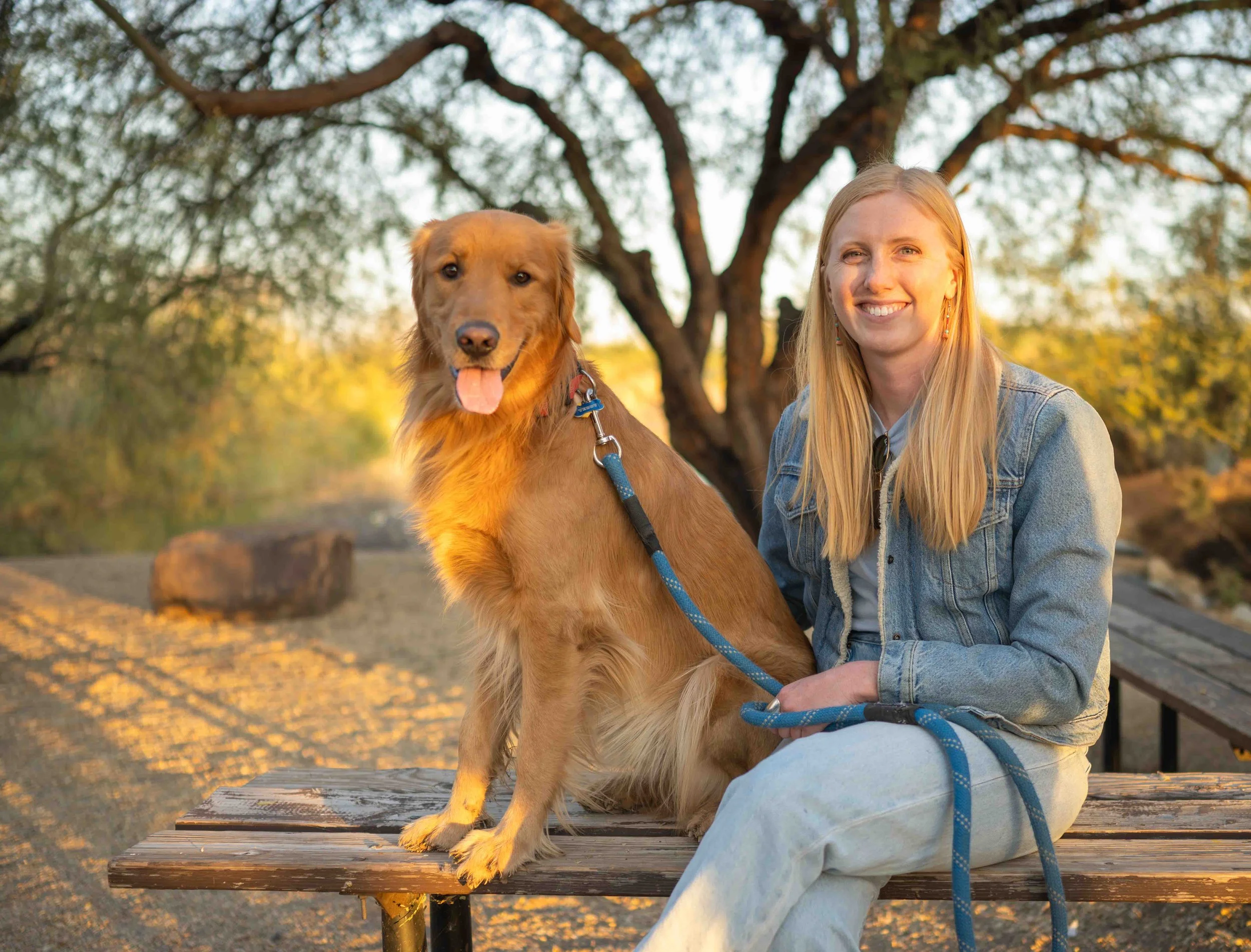
Hi there! My name is Emma and together with my therapy dog, Teddy, I'm proud to support individuals and couples in Arizona with relationship challenges, complex anxiety (including OCD) and trauma. I have a cozy office in Phoenix, Arizona where I see folks in person and am able to offer virtual therapy throughout all of Arizona. I am trained in EMDR, Brainspotting, Exposure and Response Prevention, and Gottman Method Couples Therapy (level 1&2). I use animal and art assisted therapy and often incorporate a creative approach with clients. If that sounds like what you need, I'd be happy to chat with you!
Let’s Talk About Brainspotting
As a trauma therapist trained in multiple approaches, I know how daunting trauma therapy can feel. You might be nervous about what could come up or how you may feel during the process. While I can’t promise it will always be easy, I’ve seen again and again that it can be a deeply rewarding journey of self-discovery and healing.
If it’s your first time seeking therapy—or if you’ve tried therapy before and are looking for a more somatic approach to processing past trauma—Brainspotting may be a good fit for you.
Brainspotting, a close cousin of EMDR therapy, is grounded in a similar core principle: the body stores trauma on a physiological level. This goes deeper than memory alone. When we experience trauma, the body can enter a fight-or-flight state, and in some cases, we get “stuck” there. In this way, we may find ourselves re-experiencing aspects of the trauma until it can be adaptively processed.
So how does Brainspotting work?
Unlike EMDR and other trauma modalities, Brainspotting uses the “gaze spot” to access unprocessed material. After identifying a memory or experience to work with, you and your therapist collaborate to locate a specific visual point that activates the underlying emotion or sensation. Using this spot as a window into the nervous system, you then begin to process the trauma at your own pace.
Often, this is an internal and quiet process with little or no talking. The therapist provides an attuned, grounded presence and may gently guide you to notice sensations, emotions, or shifts as they arise. Brainspotting is highly client-centered and client-led, allowing you to move slowly and stay in control. Its unstructured, attuned nature makes it a gentle option for those wanting a more gradual approach to trauma work.
What can Brainspotting help with?
Brainspotting was originally created as a trauma-processing tool, and it supports both acute PTSD and complex trauma. Symptoms may show up as depression, anxiety, grief, chronic stress, dissociation, or even performance blocks. It can be effective for both major traumas and more subtle emotional wounds. Many people find it helpful when talk therapy hasn’t allowed them to fully express or move through what they’re carrying.
What should I expect?
During trauma work, it’s normal to feel moments of ungrounding, emotional intensity, tiredness, or shifts in your sense of self. As you continue, many clients report increased clarity, a sense of peace, and a reduction in symptoms. In a preliminary study by Hildibrand et al. (2014), most participants reported meaningful decreases in PTSD symptoms after Brainspotting sessions.
What next?
If Brainspotting feels like it might be a supportive fit for your needs, the best next step is to connect with a licensed therapist trained in this approach. If you’re based in Arizona, I’m happy to offer a complimentary consultation call to explore whether Brainspotting might be right for you. You can schedule that here: superbloomtherapyservices.com/contact
About Emma Beale
If you’d like to learn more about working with me, click here to check out my website or my psychology today profile. You can also check out my Instagram account here.
Thanks for reading the Deconstruction Counseling blog!
This guest blog post on brainspotting therapy was contributed to the Deconstruction Counseling community to help readers better understand trauma-informed approaches to healing.
If you’re new here, welcome! So glad you’re here! Deconstruction Counseling is a therapy practice based in Olathe, Kansas, serving the Kansas City metro area with in-person sessions and providing online therapy across Kansas for adults seeking specialized, evidence-based care.
I’m Morgan, and I work with adults navigating religious trauma, complex trauma, and the long-term impact of high-control environments (click here to learn more about me and the style as a therapist). Many of my clients are working through things like identity loss after leaving religion, chronic anxiety, emotional shutdown, or feeling stuck in patterns that don’t make sense logically but live deeply in the body. If you’re searching for a religious trauma therapist in Kansas, complex PTSD therapy in Kansas City, or online trauma therapy in Kansas, you’re in the right place. The best way to book an intro call with me is to click the “Get Started” button on my homepage.
My work integrates approaches like ACT, trauma-informed care, and body-based therapies to help you process what you’ve been through and move toward a life that actually feels like yours. Whether you’re dealing with ideological deconstruction, attachment wounds, or unresolved trauma that keeps showing up in your relationships, therapy can help you build clarity, flexibility, and a stronger sense of self without having to force yourself back into who you used to be.