Guest Blog Post: Functional and Holistic Health with Sarah Bigman
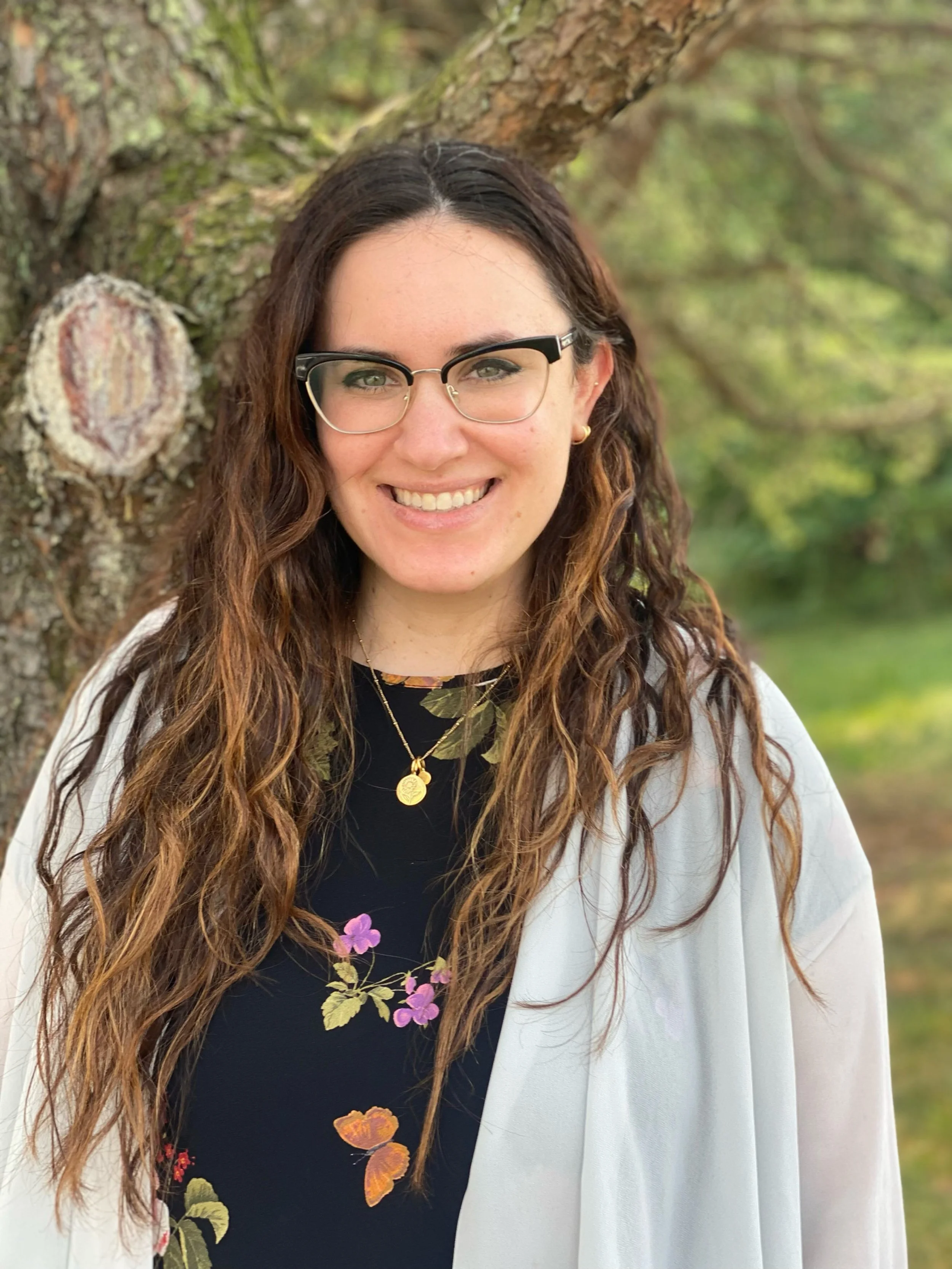
Hi there! I’m Sarah Bigman, a Licensed Clinical Social Worker (LCSW) and Functional Diagnostic Nutrition Practitioner (FDN-P). I founded Healing Human Group to bring together psychotherapy and functional mind-body work in a way that supports deeper, more sustainable healing.
One thing I’ve learned repeatedly throughout my time in the mental health field has been this:
Mental health doesn’t exist separately from the body.
Many individuals come into therapy feeling frustrated that they’re “doing all the right things,” yet their anxiety, fatigue, irritability, or brain fog won’t budge. This is often where functional perspectives become essential. Functional health looks at the body as an interconnected system rather than isolated symptoms. Instead of asking, “How do we make this symptom go away?” we ask, “What is the body trying to tell me?” Not only is this an incredibly validating lens, but it also empowers individuals to listen to and trust their body. In the functional world, we explore HIDDEN stressors by using functional lab testing to assess what’s happening beneath the surface. These tests help us identify subtle imbalances that often go unnoticed in standard care.
HIDDEN stands for:
Hormone balance
Immune function
Digestion
Detoxification
Energy production
Nervous system regulation
These foundational systems shape how we think, feel, and show up in the world. When even one is under strain, the mind feels it: mood swings, overwhelm, intrusive thoughts, chronic anxiety, or even a general sense of “not feeling right,” without a clear explanation. For example, functional lab testing helps us understand why certain emotional patterns feel so persistent. An individual with anxiety may make meaningful progress through talk therapy interventions (CBT, DBT, IFS, etc.), but if their gut is inflamed or their blood sugar is unstable, their body will continue sending signals that mimic danger and keep them dysregulated. When we address both, the internal parts needing care and the physiology needing support, individuals finally experience the relief they’ve been working toward. The mind and body both get to exhale. Overall, when individuals learn how their body influences their emotional experience, their healing gains momentum. They feel informed, empowered, and more connected to themselves. Healing deepens when we support the whole human – emotionally, physiologically, and energetically.
About Sarah Bigman
If you’d like to explore this integrative approach, you can connect with me at Healing Human Group LLC:
Website: www.healinghumangroup.com
Instagram: https://www.instagram.com/healinghumangroup/
Email: healinghumangroup@gmail.com
Tik tok: https://www.tiktok.com/@sbbigs
Thanks for reading the Deconstruction Counseling blog!
This guest post was written for the Deconstruction Counseling community and individuals navigating identity shifts, health OCD, chronic pain, and health anxiety. Deconstruction Counseling provides therapy for individuals in Olathe and across the Kansas City area and statewide via telehealth in Kansas. Special areas of focus include religious trauma, faith transitions, OCD and anxiety, and ADHD/AuDHD. Sessions are designed to help clients process high-control religious experiences, reduce anxiety, and build practical coping strategies.