Write for Deconstruction Counseling
Share your expertise and help folks heal
Deconstruction Counseling is committed to providing thoughtful, evidence-informed, and compassionate resources for individuals navigating various mental health concerns through compassionate blog posts.
Real quick, a bit about me. My name is Morgan Piercy, and I’m a therapist who specializes in religious trauma, spiritual abuse, and deconstruction. At this time (last updated 3/23/26) I am only able to see clients in Kansas (plus those who live in the Kansas City, Missouri metro area and are within driving distance of my office near Overland Park). I provide accessible self-help and psychoeducation for the religious trauma and deconstruction communities through my blog. You can check it out by clicking here!
Therapists, that’s where you come in! I welcome contributions from therapists, mental health professionals, and aligned voices who want to support my community through meaningful writing. This can also be a great way to get some exposure and help clients in your state(s) find you!
Who I’m Looking For
I prioritize guest contributors who are:
Licensed therapists, counselors, psychologists, and/or social workers in private practice
Clinicians-in-training with relevant experience and a passion for normalizing and affirming deconstruction journeys.
Content should reflect a trauma-informed, inclusive, and LGBTQ+ affirming perspective, particularly for individuals navigating religious harm, identity shifts, and deconstruction.
What I’m Looking For
I accept articles that are:
Clinically informed but easy to understand for a general audience
Grounded in evidence-based approaches (e.g., ACT, DBT, trauma-informed care)
Practical, reflective, and genuinely helpful
My Readers Especially Relate To (Ideas to Get You Started)
Religious trauma and its clinical presentation
Scrupulosity / OCD and faith-based anxiety
Adult Children of Emotionally Immature Parents
Compassion Fatigue and/or Caregiver Burnout
LGBTQ+ mental health, particularly transgender mental health concerns
Borderline Personality Disorder
ACT skills for deconstruction and meaning-making
Ambiguous Grief
Complex PTSD
Coping with the negative impact of Christian nationalism
Grounding techniques and self-help DBT skills
Rebuilding identity after leaving a high-control religion
Family of origin trauma
Guilt, shame, and/or moral injury trauma
ADHD, AuDHD, autism, and neurodivergent burnout
Interfaith marriage and family relationships
Narcissistic abuse signs & recovery
ACT Skills for anxiety and/or depression
Navigating relationships during deconstruction
IFS skills for identity exploration after leaving a high-control religion
Therapist perspectives on working with religious trauma
Excessive reassurance-seeking from AI
Other subtopics relevant to religious trauma, spiritual abuse, deconstruction, or mental health (if you have questions, please email me at morgan@deconstructionkc.com).
What I Don’t Accept
To protect the integrity of the space and the people I serve, I can’t publish:
Articles that are primarily just self-promotional or advertisements. Note: I want readers to get value out reading this self-help, compassionate, relatable, and/or psychoeducational content.
Content that promotes a specific religious ideology, proselytizing, or debate. Note: Content needs to encourage client autonomy and human rights, as well as align with the ACA Code of Ethics. Posts just refrain from imposing a specific set of values.
Non-trauma-informed or stigmatizing perspectives. Note: Please use good clinical judgment and insight.
Your article should center the reader, not your practice. Although I make adequate space at the end to hyperlink your sites and encourage the reader to check out your practice if they live in a state in which you are licensed to practice, this post needs to be genuinely helpful and worth the reader’s time. The purpose of this blog is to provide high-quality & absolutely free mental health resources, self-help strategies, and psychoeducation.
I reserve the right to edit for grammar and content, and I will notify you if I make significant changes. Submission of a blog post does not constitute a guarantee of publication.
Benefits of Contributing
Writing for Deconstruction Counseling offers:
Exposure to a niche & engaged audience.
Professional visibility within a growing clinical specialty.
A backlink to your website or practice.
The opportunity to contribute to an underserved and often misunderstood population.
Deconstruction Counseling respects, treats, and empowers clients regardless of race, disabilities, gender, sexual orientation, and religion (*advanced notice required of clients who need an ADA accessible room for in-person sessions). My goal is to create a space where both clinicians and readers feel seen, supported, and respected. Religious trauma is trauma, and readers deserve a safe space on the internet to explore their mental health symptoms through an evidence-based lens rather than a purely spiritualized and shameful one (Let’s be real, there’s far too many of those out there, smh).
Submission Guidelines
Use the Google form linked here to submit your post.
Articles should be 800–1,500 words
Use a clear, conversational tone (avoid overly academic language)
Include citations where appropriate (APA preferred, but not required)
Please include a short author bio (2–3 sentences) written in first person, which must include the state(s) in which you practice, and your credentials.
A headshot (send via email to morgan@deconstructionkc.com)
Note from Morgan
This space exists to support people doing deeply personal and often difficult work. If you choose to contribute, I ask that you write with care, humility, and respect for the complexity of mental health diagnoses and concerns. Thank you so much for supporting this vision of making mental health resources more excessive to folks online, so they can design their most values-driven life.
Morgan Piercy, LPC, NCC, ACT-PT, ADHD-PT
Guest Blog Posts
-
![A smiling young woman with long black hair lying on a white couch, wearing a brown button-up shirt over a black top, with a large green plant and a white picture frame on a white wall behind her.]()
Amaya Ballard-Traylor
Hustle Culture and Its Impact on Mental Health
-
![A woman with shoulder-length light brown hair, blue eyes, and a big smile, wearing a cream-colored knitted sweater, sitting in a room with a pale green wall and a blue piece of furniture in the background.]()
Kristine Page
How Spiritual Responses Can Minimize Pregnancy, Baby, and Child Loss
-
![A woman with long blonde hair smiling while sitting outdoors on a park bench next to a golden retriever dog during sunset, with trees in the background.]()
Emma Beale
Let’s Talk About Brainspotting
-
![A smiling woman with blonde hair and a gray streak, wearing a navy blazer and a blue scarf, standing against a plain light blue-green background.]()
Kristin Whiting-Davis
The Quiet Ache of Moral Injury: When Caring Hurts
-
![Close-up photo of a woman with curly, brown hair, smiling and holding a clear glass.]()
Kyara Beck
Emotional Infidelity: Longing, the Elsewhere, and Attunement
-
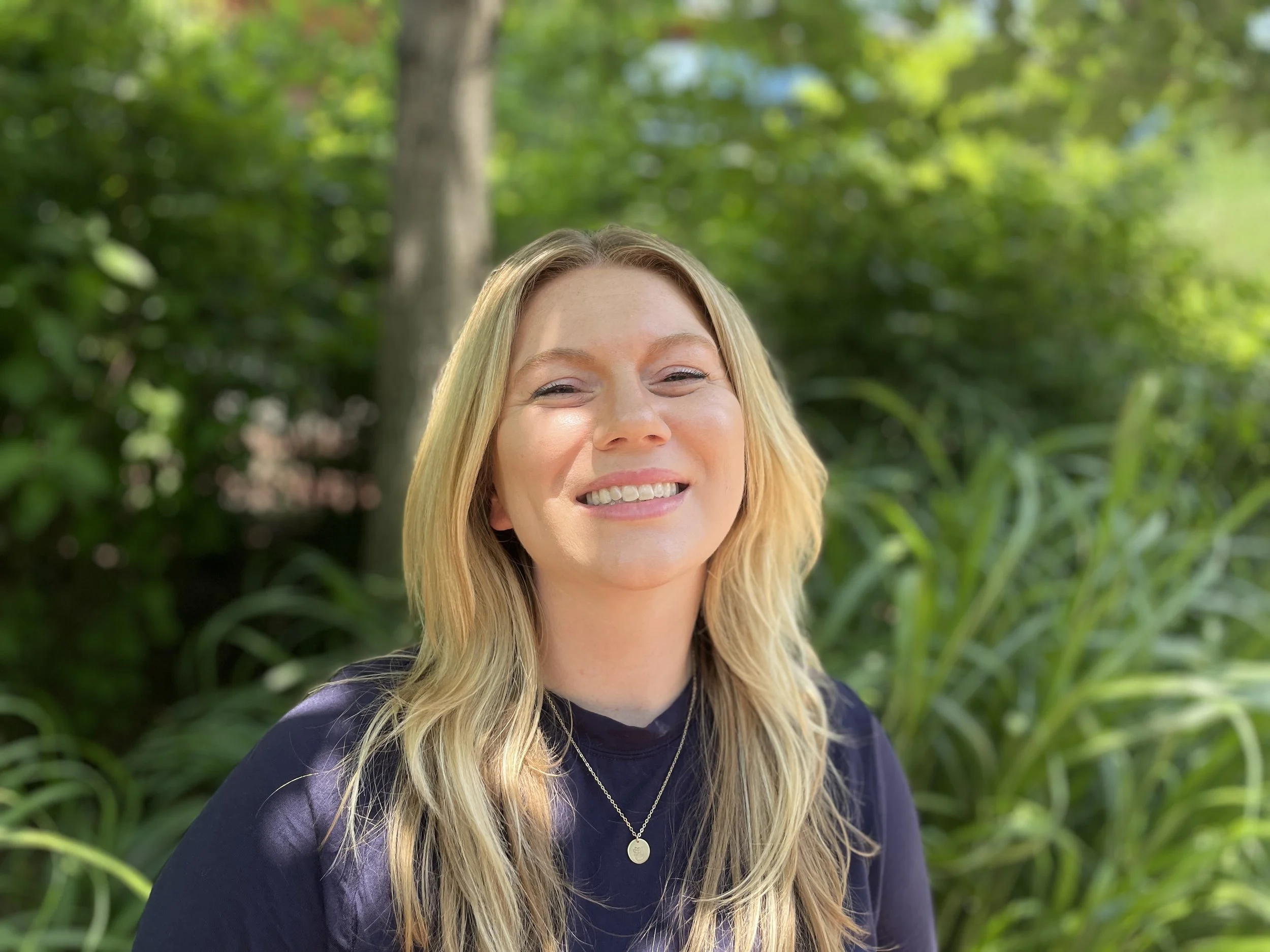
![A woman with blonde hair smiling outdoors in a lush green garden with trees and foliage in the background.]()
Brittany Webb
ERP vs. ACT for OCD: What’s the Difference, and Why Do They Work So Well Together?
-
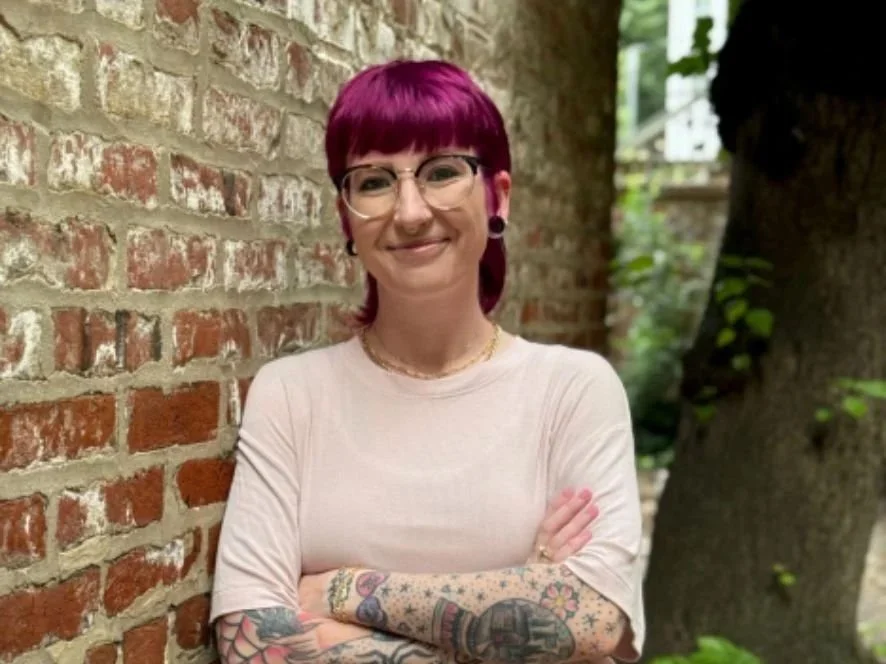
![A woman with short pink hair and glasses standing outdoors against a brick wall, smiling with arms crossed, with tattoos on her arms and a necklace.]()
Jay Janicki
Parental Narcissistic Abuse: Your permission slip to withhold that forgiveness everyone is demanding of you
-
![Close-up of a woman with gray eyes, long eyelashes, fair skin, and long brown hair with a slight wave, wearing a small nose ring and a yellow sweater.]()
Beth O'Dell
Healing Attachment Wounds with EMDR Therapy
-
![A smiling woman with glasses and curly brown hair, standing outdoors against a large tree with textured bark, green foliage in the background.]()
Sarah Bigman
Mental health doesn’t exist separately from the body.