Guest Blog Post: When Neurodivergence is Viewed as Sin with Michelle F. Moseley
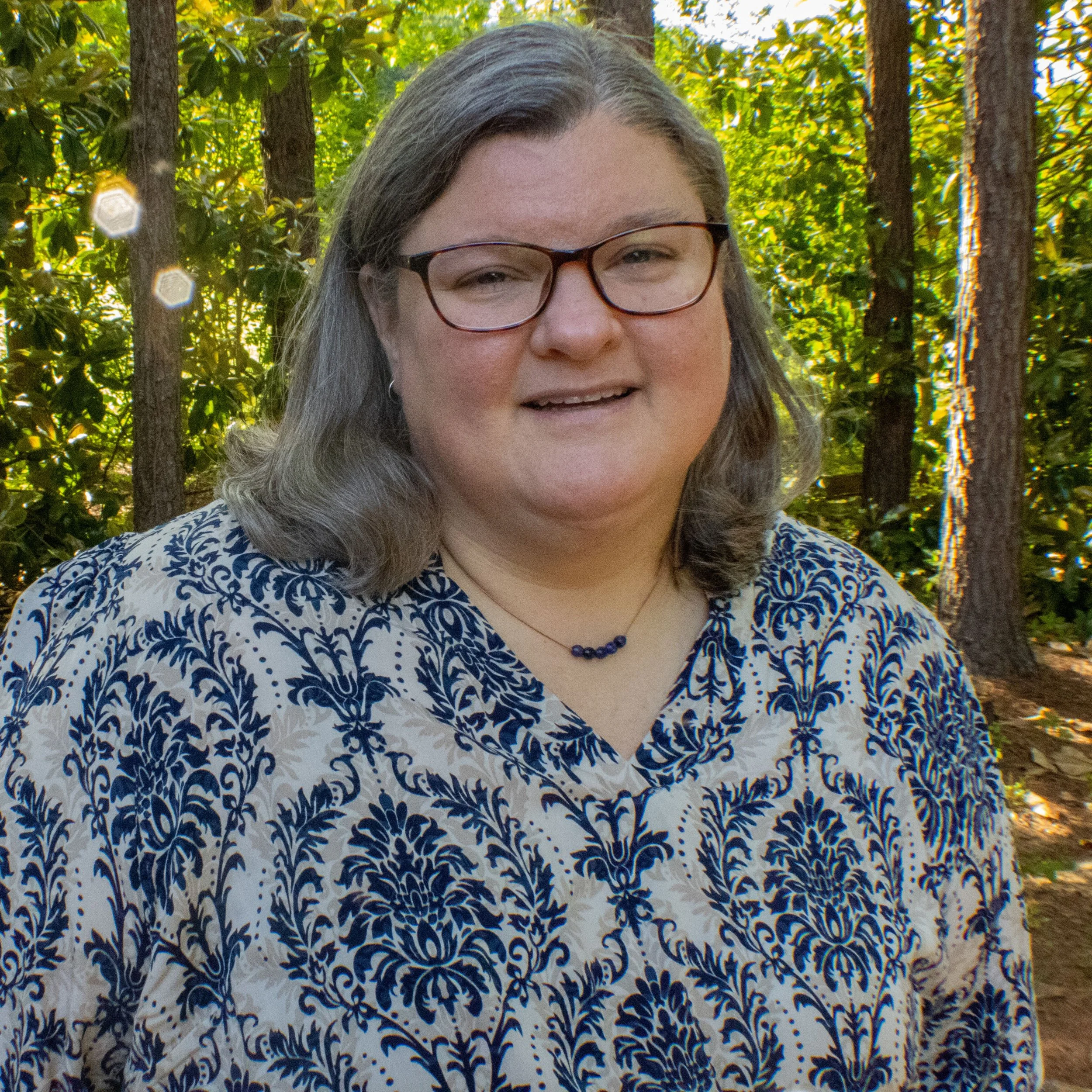
I’m Michelle F. Moseley, a licensed mental health counselor and religious trauma specialist in North Carolina. I have lived experience of spiritual abuse and religious trauma within high-control evangelical Christian settings, as well as over a decade of clinical experience working with survivors of religious harm and training other mental health professionals to support survivors. I am also late-identified Autistic and am passionate about exploring the ways that neurodivergence and religion can intersect.
What do you do when the way your brain functions gets labeled as “wrong” or “sinful”? This is a common question for neurodivergent individuals who have experience in high-control religious environments.
What is Neurodivergence?
The term “neurodivergent” was coined by Kassiane Asasumasu in 2000 to describe having a brain that functions in ways that diverge for the dominant societal standards of what is considered “normal” or typical within a particular culture or group. While "neurodivergent" is often used as shorthand for ADHD and/or Autism, the term is actually inclusive of all the ways a person’s brain function may diverge from the societal norm. Neurodivergence includes mental health diagnoses like anxiety, OCD, and bipolar disorder. It also includes learning differences such as dyslexia, neurodevelopmental disorders, and even the acquired differences that may come with a traumatic brain injury or exposure to trauma.
Anything that diverges from the “norm” within a particular social or cultural context can be described as neurodivergence.
Neurodivergence and Religion
Many religious or faith communities have their own particular social norms and expectations. Fundamentalist and high-control religions value conformity to the group’s rules and may label anything outside of those rules as “evil” or “sinful.” For a neurodivergent individual, this can create a perfect storm of confusion, judgement, and harm.
The neurodivergent person may experience confusion around why certain aspects of their faith seem to come easily for others. Judgement, both external and internal, is often a part of the neurodivergent experience within a high-control religion. Feelings of guilt and shame for the ways their brain works may accompany the neurodivergent person’s experience. The neurodivergent person can experience harm from leadership who doesn’t understand and honor differences, from group norms that are inaccessible, or from the use of sacred texts to condemn natural parts of their neurodivergent existence.
Common Neurodivergent Characteristics That May Be Viewed as Sin
What are some of the common characteristics of neurodivergent folks that may be viewed as sinful within high-control religion? Here are a few examples from my own lived experience and years of work in mental health:
Preference for Structure. A preference for structure, routine, and a clear plan is common for many Autistic individuals, as well as those impacted by anxiety. This natural preference may be seen as evidence of not trusting God or not being willing to follow the leading of the Holy Spirit.
Interest-Based Nervous System. Many neurodivergent folks have interest-based nervous systems and attention spans - experiencing motivation based on the person’s interest in a particular topic or task. This can make it a struggle to perform or produce on cue, which may lead to these individuals being accused disobedient and unfaithful to both God and the religious leadership / group.
Curiosity / Desire to Understand. A common trait of neurodivergence is a strong desire to understand people, interactions, and concepts. This can lead to questioning, researching, and refusing to conform to standards that don’t make sense to the neurodivergent brain. In many high-control religious contexts, this curiosity may be labeled as disrespectful or as lacking trust in God-given authority. Folks may have also heard that their curiosities were going to lead them down a “slippery slope” away from the group’s core beliefs and into evil.
Unconfined Gender Expression. Fundamentalist religious groups commonly have a rigid, binary view of gender and place emphasis on specific gender roles for men and women. Gender is often a much more nuanced experience for neurodivergent individuals. Interests, natural curiosity, and sensory preferences can all play a role in a neurodivergent person’s expression of gender. The high-control religious group may see this as disregarding “God’s design for humanity” or devaluing “traditional family values.”
These examples are just a few of the ways that natural aspects of the neurodivergent brain and nervous system can be labeled as sinful within a fundamentalist religious context.
How are Neurodivergent Individuals Impacted by High-Control Religion?
Experiencing judgement for how one exists can have long-lasting impacts on a neurodivergent person. These impacts can be intensified when the judgement occurs within a faith community or includes being labeled using religious concepts such as sin and evil.
What are some common impacts of high-control religion on neurodivergent people?
Masking. This refers to the experience that many neurodivergent folks have of trying to perform neurotypicality. Masking may include mimicking the behavior of others that is seen as acceptable within the group. Neurodivergent individuals may also actively suppress aspects of themselves in an effort to meet the standards of the group and of God. Some folks are able to mask more fully than others, impacting how the group judges the individual’s acceptableness. In addition, masking always takes a toll on a person’s mental health and can lead to increased depression, anxiety, and difficulty regulating emotions.
Shame. Many high-control religions utilize shame as a driving force to control behavior. When the shame, or sense of being wrong, is tied to a person’s nervous system and way of existing in the world, the impacts are far-reaching. Neurodivergent individuals may find themselves directed to services that are focused on modifying their behavior rather than understanding their nervous system. They may feel that if they could pray hard enough or be faithful enough, they would be acceptable to the group. Shame can lead to risky or self-destructive behaviors and even increase the risk of death by suicide.
Confusion. Neurodivergent folks may deal with lots of confusion related to involvement with a high-control religious group. Confusion about beliefs is common, including confusion about why critical thinking or asking questions is met with disapproval. A neurodivergent person who is part of a group that emphasizes a Creator God who was involved in the personal design of every human may feel confusion when their brain, nervous system, and neurotype are treated as a problem to be solved.
Loss of Faith. For some neurodivergent people, the consistent need for masking, the repeated experiences of shame, and the multi-layered confusion experienced within high-control religion leads to a loss of faith. It can feel impossible to engage with beliefs or practices that dismiss or overlook your lived experiences.
Resources for Healing
Do you find yourself resonating with this post? Maybe you are just becoming aware of the ways that your neurodivergent identity has shaped your religious experiences. You may have recently learned about your own neurodivergence, or recently recognized that your religious background included some high-control elements. Now what?
Finding resources that talk about neurodivergence or religious harm can be helpful. Books, podcasts, social media posts can all be ways to engage with these topics and find what resonates most with you.
Working with a licensed mental health professional who understands the complex nature of religious trauma and who provides neuro-affirming therapy services can be a powerful way to gain understanding and heal from your unique, intersectional experience with neurodivergence and high-control religion.
For adults (18+) located in North Carolina, I provide virtual individual and group therapy to support folks in healing from religious harm and embracing their unique neurotype. You can learn more about my services and schedule a free, 15-minute consultation here. I also provide Continuing Education and Professional Consultation for mental health professionals all over the world on topics related to religious trauma and neurodivergence.
About the Author
Michelle F. Moseley (she/her) is a Licensed Clinical Mental Health Counselor in NC. She believes ALL people deserve respect, compassion, and access to mental and physical healthcare. Michelle specializes in working with survivors of religious trauma, and with those who have body image concerns, finding there is frequent overlap in these areas. She also frequently supports late-identified neurodivergent individuals as they navigate the grief and relief of a new understanding of self. You can learn more about Michelle by visiting her website at MichelleFMoseley.com or following her on Instagram – @therapy_with_michelle
Sign-up for Michelle’s Monthly Email Newsletter
This guest blog post was contributed to the Deconstruction Counseling community to support readers exploring the intersection of deconstruction and neurodivergent identities. Deconstruction Counseling is a therapy practice based in Olathe, Kansas, serving the Kansas City metro area with in-person sessions and offering online therapy across Kansas.
Hi, I’m Morgan, and I work with adults navigating religious trauma and the impact of growing up neurodivergent in environments where differences were misunderstood or pathologized. If you’re searching for a religious trauma therapist in Kansas, neurodivergent-affirming therapy, or help healing from being labeled as “sinful” or “broken,” you’re not alone. I help clients process shame, rebuild identity, and develop a more compassionate, grounded relationship with themselves through evidence-based, affirming therapy. Click here to learn more about working with me.