Guest Blog Post: When Prayer Feels Complicated with Angela Schilaty
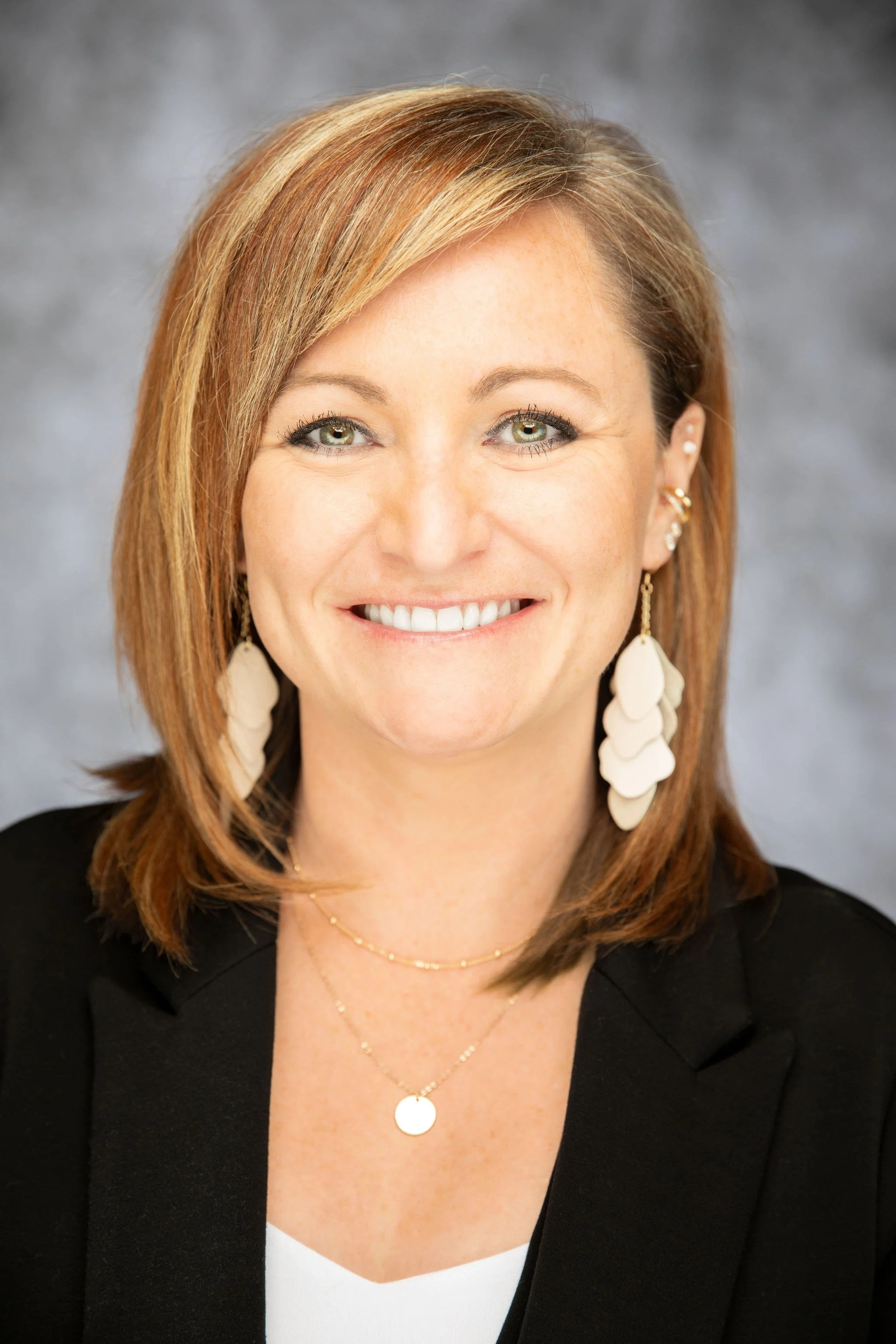
Healing from religious trauma is about more than just walking away; it’s about working through the grief and the profound impact it had on who you were so you can focus on who you are rebuilding now. Angela Schilaty is a Florida-based Registered Mental Health Counselor Intern currently supervised by Danielle Proch (LMHC MH16044) providing specialized telehealth therapy to individuals navigating trauma and the loss of community. She is dedicated to helping clients process their past and reclaim an identity that finally feels like home.
The Prayer on the Park Bench: When Old Comforts Meet New Realities
A few days ago, the weather was perfect, the kids were occupied, and the world felt momentarily quiet. I was sitting at the park when a kind woman approached me. We fell into that easy, rhythmic small talk that often happens between parents - the weather, the ages of our children, the shared exhaustion of a long week.
But as the conversation drifted toward faith and church attendance, I felt that familiar internal "ping."
You likely know the one. It’s that split-second somatic self-check:
How am I feeling now that the subject has changed?
Is it time to pack up and leave?
After checking in with myself, I felt safe enough to be honest. I mentioned that while I had visited a few churches in the area, it wasn’t something I was actively pursuing at the moment. She remained kind, and my body stayed relaxed. Then, she asked if she could pray for me.
The Internal Tug-of-War
Part of me felt a spark of excitement. Previously, prayer had been a rich, "delicious" part of my religious experience, and I was surprised to feel a sudden craving for that connection to the Divine. Yet, another part of me wanted to run away as fast as possible. I felt a sharp tension between the nostalgia for something that once brought me joy and the painful reminder of those moments when prayer had been the opposite.
I took a long, deep breath and checked in with myself - listening to the quiet signals of my body - before finally saying yes.
As she spoke, I became a curious observer of the dialogue happening inside me. When she finished, I knew I needed to slow down and practice some self-care; the moment had stirred up deeply unexpected emotions.
The Anatomy of a Shattered Assumption
When we experience trauma within a religious context, the very act of prayer can become a minefield. The long-held assumption held around prayer might feel broken - perhaps because we feel God failed us when we needed Him most, or because we are haunted by the perceived silence of the Divine in the face of global suffering.
This rupture creates a profound sense of distress and abandonment. For those navigating religious trauma, we are often met with a difficult choice: Do I abandon these faith practices altogether, or do I try to rebuild?
This struggle is at the heart of Ronnie Janoff-Bulman’s Shattered Assumptions Theory. Her work suggests that we navigate the world based on three fundamental, often unconscious, beliefs:
The world is benevolent.
The world is meaningful.
The self is worthy.
Janoff-Bulman explains that when we experience trauma - whether directly or vicariously - these core assumptions are shattered. We are left standing in the debris of what we thought we knew about how the world (and God) works.
Honoring the Complexity
Rebuilding after your assumptions have been broken isn't about "getting back" to the person you were before. It’s about creating a new way of being that honors your current reality. As you navigate your own "park bench moments," it can be helpful to gently check in with these reflections:
What is my "yes" and what is my "no" at this specific moment?
How can I honor my past experiences while still leaving a small window open for new, positive ones?
Where in my body do I feel a sense of "okay-ness," and how can I stay connected to that?
What would it look like to honor my comfort right now, even if it feels "impolite" to someone else?
How much of myself am I willing to share in this space today?
Reclaiming the Pieces
Healing doesn't mean finding a way to glue those shattered assumptions back together until the cracks disappear. Instead, it involves addressing the trauma, finding a community that respects your boundaries, and slowly reconstructing a sense of meaning that can actually hold the weight of your lived experience.
You don’t have to choose between your history and your healing. You are allowed to miss what was lost while fiercely protecting what you are building now. Even in the middle of the "shatter," there is room for you to be whole.
About Angie
Email: angie@centerofresilience.org
Psychology Today: https://www.psychologytoday.com/us/therapists/angela-schilaty-oldsmar-fl/1692730
Practice Website: http://centerofresilience.org
Instagram: https://www.instagram.com/angieschilaty/
Website: http://angieschilaty.com
About Deconstruction Counseling
This guest blog post was contributed to the Deconstruction Counseling community to support readers exploring deconstruction. Deconstruction Counseling is a therapy practice based in Olathe, Kansas, serving the Kansas City metro area with in-person sessions and offering online therapy across Kansas.
Hi, I’m Morgan Piercy, and I work with adults navigating religious trauma and the impact of growing up with undiagnosed ADHD and/or autism in environments where differences were misunderstood or pathologized. If you’re searching for a religious trauma therapist in Kansas, neurodivergent-affirming therapy, or help healing from being labeled as “sinful” or “broken,” you’re not alone. I help clients process shame, rebuild identity, and develop a more compassionate, grounded relationship with themselves through evidence-based, affirming therapy. Click here to learn more about working with me.