
Religious Trauma Consultation for Therapists & Mental Health Professionals
Supporting clients through religious trauma, faith deconstruction, spiritual abuse, and religious OCD can bring up questions that traditional clinical training doesn't always prepare us to answer.
Religious Trauma
|
Deconstruction
|
Faith Transitions
|
Adverse Religious Experiences
|
Spiritual Abuse
|
Clergy Abuse
|
Narcissistic Abuse
|
Scrupulosity
|
Religious Trauma | Deconstruction | Faith Transitions | Adverse Religious Experiences | Spiritual Abuse | Clergy Abuse | Narcissistic Abuse | Scrupulosity |

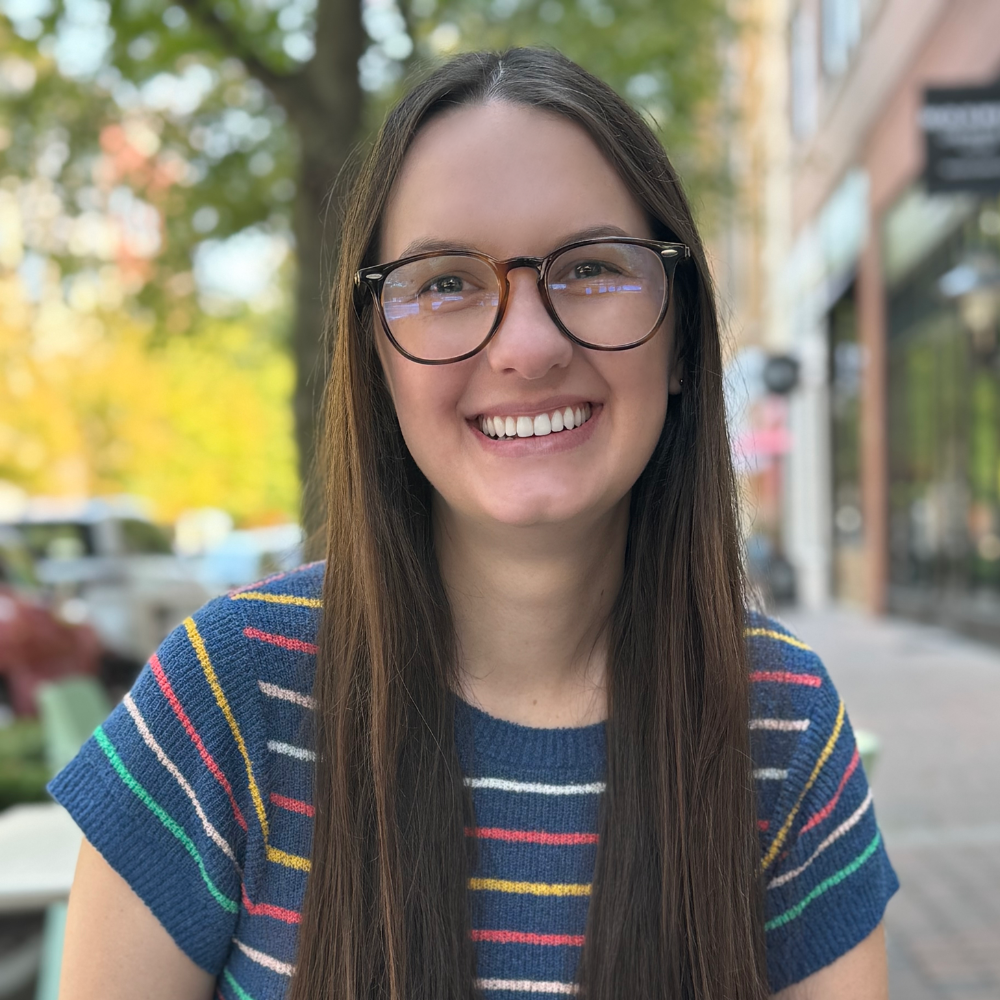
Meet Morgan Piercy, LPC
I offer one-on-one virtual consultations for therapists, graduate students, and other helping professionals who want to feel more informed, thoughtful, and confident when working with clients who have experienced religious harm.
-
Religious trauma does not always involve one clearly identifiable traumatic event. Some clients describe years of shame, fear, conditional acceptance, emotional manipulation, or pressure to conform.
We can explore how adverse religious experiences may contribute to anxiety, perfectionism, people-pleasing, emotional avoidance, difficulties with boundaries, and a loss of trust in one's own judgment.
Consultation may include understanding high-control religious environments, identifying trauma-related patterns, discussing case conceptualization, and considering appropriate therapeutic approaches.
I also welcome conversations about the difference between religious trauma, spiritual abuse, and ordinary religious conflict. These experiences can overlap, but they are not interchangeable.
-
Faith deconstruction is not necessarily a mental health problem. For some people, questioning or changing religious beliefs is a meaningful and healthy part of personal development.
However, deconstruction can also involve grief, anxiety, identity confusion, family conflict, and the loss of relationships or community.
We can discuss how to support clients who are questioning beliefs, leaving religious communities, reconstructing their spirituality, or choosing not to participate in religion at all.
A central part of this work is respecting the client's autonomy. Our job is not to persuade someone to stay religious or become nonreligious. It is to help them explore what they believe, what matters to them, and how they want to live.
-
Spiritual abuse can involve the misuse of religious authority, beliefs, or community relationships to control, intimidate, shame, exploit, or silence another person.
Clients may have experienced threats of divine punishment, pressure to confess private thoughts, coercive relationships, religiously justified discrimination, or leaders who used spiritual authority to discourage questioning.
We can explore the clinical impact of these experiences, including difficulties with trust, autonomy, boundaries, attachment, and emotional safety.
We can also discuss how to approach these subjects without making assumptions about every religious institution or every client's experience.
-
Religious OCD can be especially difficult to recognize when compulsions look like culturally familiar religious practices.
A client might pray repeatedly, confess excessively, seek reassurance about their morality, mentally review past decisions, or spend hours trying to determine whether they have sinned.
The challenge is understanding when these behaviors are driven by obsessive fear and compulsive attempts to reduce uncertainty rather than by the client's freely chosen religious practices.
I offer consultation around recognizing religious and moral scrupulosity, understanding the OCD cycle, and considering Acceptance and Commitment Therapy (ACT) and exposure and response prevention (ERP) principles.
We can also discuss the important differences between religious OCD and religious trauma, including what happens when both are present.
The goal is not to challenge a client's faith. It is to help them develop a healthier relationship with uncertainty, intrusive thoughts, and compulsive behaviors while respecting their personal values.
-
Religious trauma and neurodivergence are an important intersection in my clinical interests.
Autistic clients, clients with ADHD, and AuDHD clients may experience religious environments in ways that are not always recognized by traditional trauma frameworks.
Some clients describe rigid behavioral expectations, sensory overload during worship services, pressure to suppress natural behaviors, difficulty navigating unspoken social rules, or shame related to executive functioning.
Others may struggle with religious perfectionism, intense moral anxiety, black-and-white rules, or the belief that their neurodivergent traits reflect a spiritual or personal failure.
We can explore how neurodivergence may shape a client's experience of religious environments without assuming that all autistic or ADHD clients experience religion the same way.
Consultation can also include neurodiversity-affirming approaches to treatment, accommodations, emotional regulation, identity development, and distinguishing religious OCD from other forms of distress.
I believe clinicians should understand the person in front of them rather than trying to make them fit a predetermined model of what recovery is supposed to look like.
-
Christian nationalism and authoritarian religious movements can have significant psychological implications for people whose identities, relationships, or personal autonomy are threatened by those environments.
Clients may describe fear, shame, family estrangement, moral injury, discrimination, identity conflict, or distress related to religious and political messages that portray certain groups as dangerous, sinful, or undeserving of equal rights.
We can explore the intersection of religious trauma, political identity, social power, and mental health.
These conversations may be particularly relevant when working with LGBTQIA+ clients, people leaving high-control religious communities, or individuals whose families connect religious belonging with political conformity.
My professional perspective is humanist, anti-fascist, LGBTQIA+ affirming, and rooted in social justice. I oppose Christian nationalism and religious authoritarianism, particularly when religious beliefs are used to justify discrimination, coercion, or restrictions on personal freedom.
At the same time, I believe effective clinical work requires us to respect client autonomy and avoid replacing one rigid belief system with another.
Consultation is not about persuading clients to adopt my political or religious beliefs. It is about understanding the psychological effects of coercive systems and supporting people as they make their own decisions about their lives.
What to Expect From a Consultation
Consultations are held virtually and last 50 minutes.
Before we meet, I encourage you to share what you would like to discuss. This helps us make the most of our time together.
We might spend the session discussing a clinical concept, reviewing a general or appropriately de-identified case scenario, comparing treatment approaches, or identifying educational resources that support your professional development.
I welcome questions, uncertainty, and respectful disagreement. This is intended to be a collaborative learning experience rather than a lecture.
If you are discussing a clinical case, please remove identifying client information and follow your applicable confidentiality requirements. Do not send protected health information through the contact form.
Every consultation is personalized. You can bring a specific clinical question, explore a topic you want to understand better, or use our time to think through an approach to working with religious trauma.
Contact Morgan Piercy, LPC
Understanding Religious Trauma, Spiritual Abuse & Christian Nationalism
Religious trauma can affect far more than a person's beliefs. It can influence their relationships, identity, emotional safety, and ability to trust themselves. In these videos, I explore the psychological effects of harmful religious experiences and discuss how clinicians can better understand clients who are navigating faith deconstruction, spiritual abuse, and distress related to Christian nationalism.
Clinical Consultation Topics
Religious Trauma Recovery & Adverse Religious Experiences
Religious trauma does not always involve one clearly identifiable traumatic event. Some clients describe years of shame, fear, conditional acceptance, emotional manipulation, or pressure to conform.
We can explore how adverse religious experiences may contribute to anxiety, perfectionism, people-pleasing, emotional avoidance, difficulties with boundaries, and a loss of trust in one's own judgment.
Consultation may include understanding high-control religious environments, identifying trauma-related patterns, discussing case conceptualization, and considering appropriate therapeutic approaches.
I also welcome conversations about the difference between religious trauma, spiritual abuse, and ordinary religious conflict. These experiences can overlap, but they are not interchangeable.
Faith Deconstruction & Religious Identity Changes
Faith deconstruction is not necessarily a mental health problem. For some people, questioning or changing religious beliefs is a meaningful and healthy part of personal development.
However, deconstruction can also involve grief, anxiety, identity confusion, family conflict, and the loss of relationships or community.
We can discuss how to support clients who are questioning beliefs, leaving religious communities, reconstructing their spirituality, or choosing not to participate in religion at all.
A central part of this work is respecting the client's autonomy. Our job is not to persuade someone to stay religious or become nonreligious. It is to help them explore what they believe, what matters to them, and how they want to live.
Spiritual Abuse & High-Control Religious Environments
Spiritual abuse can involve the misuse of religious authority, beliefs, or community relationships to control, intimidate, shame, exploit, or silence another person.
Clients may have experienced threats of divine punishment, pressure to confess private thoughts, coercive relationships, religiously justified discrimination, or leaders who used spiritual authority to discourage questioning.
We can explore the clinical impact of these experiences, including difficulties with trust, autonomy, boundaries, attachment, and emotional safety.
We can also discuss how to approach these subjects without making assumptions about every religious institution or every client's experience.
Moral OCD or Scrupulosity in Autism, ADHD & AuDHD
Autistic adults, people with ADHD, and AuDHD clients may experience religious environments in ways that traditional trauma frameworks do not always recognize. Rigid behavioral expectations, sensory overload, pressure to mask neurodivergent traits, moral perfectionism, and shame around executive functioning can all contribute to distress.
In consultation, we can explore the intersection of religious trauma and neurodivergence, including identity development, emotional regulation, masking, boundaries, and religious anxiety. We can also discuss neurodiversity-affirming approaches that respect individual differences and help distinguish religious OCD from other experiences of distress. My goal is to help clinicians better understand each client's unique experiences rather than assuming that everyone needs the same path toward recovery.

Working With Religious Trauma Requires More Than Understanding Religion
You might have a client who is terrified of going to hell, even though they no longer believe in it. Another client might feel guilty for setting boundaries with religious parents. Someone else may be grieving the loss of their entire community after leaving a high-control church.
And sometimes, the client doesn't even identify what happened to them as trauma.
Religious trauma can be difficult to recognize because harmful experiences are often presented as love, discipline, protection, obedience, or spiritual guidance. People may have been taught to distrust their own thoughts, ignore their discomfort, or view normal human needs as evidence of moral failure.
These experiences can affect relationships, identity, sexuality, emotional regulation, self-worth, and a person's ability to make decisions.
As clinicians, we need to understand more than the client's symptoms. We also need to understand the environment in which those symptoms developed.
Religious trauma consultation gives you space to explore these dynamics, ask questions, and think through ways to support clients without imposing your own beliefs or rushing their recovery.
You don't need to be an expert in religion to do this work. But having a stronger understanding of religious control, spiritual abuse, and the psychological effects of high-demand religious environments can make a meaningful difference.
My Approach to Religious Trauma Consultation
I approach religious trauma from a humanistic, trauma-informed, neurodiversity-affirming, and LGBTQIA+ affirming perspective. My clinical work draws from Acceptance and Commitment Therapy, OCD treatment principles, and an understanding of how chronic shame, fear, avoidance, and rigid beliefs can affect psychological well-being.
One of the things I find most important about religious trauma recovery is that we do not need to decide what a client should believe. Some clients want to remain Christian. Some want to explore a different spiritual tradition. Some become agnostic, atheist, or humanist. Others simply want permission to stop searching for a final answer.
Each of those paths deserves respect.
I am especially interested in helping professionals recognize when therapy itself might unintentionally recreate the dynamics of a high-control environment. That can happen when a clinician becomes too directive, assumes that leaving religion is always the goal, dismisses the client's spiritual concerns, or pushes a client toward decisions they are not ready to make. Instead, I encourage curiosity, collaboration, and an awareness of how our own values and experiences can influence the work. Consultation can be a place to slow down and think carefully about these questions.
Who Can Request a Consultation?
You do not have to specialize in religious trauma to benefit from consultation.
I welcome inquiries from licensed therapists, provisionally licensed clinicians, graduate counseling students, social workers, marriage and family therapists, psychologists, school counselors, and other helping professionals whose work intersects with religious trauma or spiritual abuse.
You might be looking for consultation because:
You are beginning to work with clients who are deconstructing their faith.
You want to better understand religious trauma and spiritual abuse.
You are unsure how to distinguish religious OCD from religiously influenced anxiety or trauma.
You want to develop a more neurodiversity-affirming approach to religious trauma.
You have questions about supporting clients affected by Christian nationalism.
You want to discuss clinical approaches without imposing religious or political beliefs.
You want to expand your professional knowledge in an area your graduate program covered only briefly.
You are also welcome to request a consultation simply because you want to learn more about this work.
Disclaimer:
Professional consultation is educational and does not establish a therapist-client relationship. It is not clinical supervision, personal therapy, legal advice, a formal client assessment, or a continuing education course offering CE credit. Participants remain responsible for their own clinical decisions, professional obligations, and applicable laws and ethical standards.